
If you have Hashimoto’s disease, you have probably heard the same advice over and over again: stop eating gluten.
Gluten-free diets are frequently discussed online as part of managing Hashimoto’s thyroiditis, but does every person with Hashimoto’s really need to eliminate gluten?
The answer is not a simple yes or no.
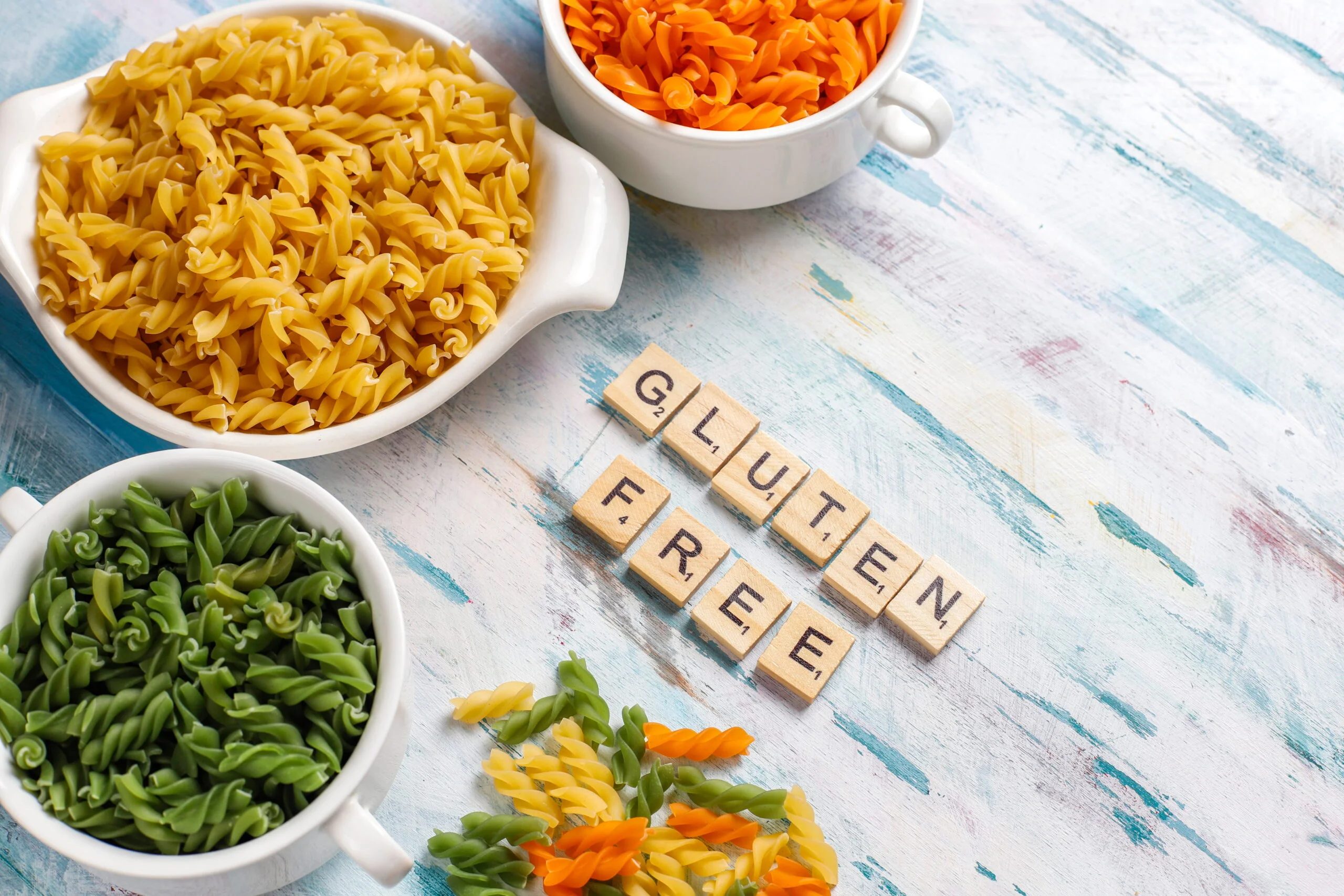
Hashimoto’s is an autoimmune condition in which the immune system attacks the thyroid gland. Some people with Hashimoto’s may also have celiac disease or another sensitivity to gluten, while others may notice little or no benefit from removing gluten from their diet.
Watch: Should You Really Stop Gluten If You Have Hashimoto’s?
Should You Stop Eating Gluten If You Have Hashimoto’s?
One reason gluten receives so much attention in conversations about Hashimoto’s is that autoimmune thyroid disease and celiac disease can occur together.
Celiac disease is an autoimmune condition triggered by eating gluten, a protein found in wheat, barley, and rye. In people with celiac disease, gluten triggers an immune reaction that damages the small intestine.
People with Hashimoto’s have an increased likelihood of having other autoimmune conditions, including celiac disease. This is one reason evaluating gluten-related problems can be appropriate for certain patients with autoimmune thyroid disease.
Why Do Some People With Hashimoto’s Feel Better Without Gluten?
Some patients report improvements in symptoms after eliminating gluten from their diet.
These improvements may include:
- Less bloating or digestive discomfort
- Improved energy
- Less brain fog
- Reduced gastrointestinal symptoms
- Improved overall well-being
For someone who has celiac disease, removing gluten is medically necessary and allows the small intestine to begin healing.
Celiac disease can also interfere with the absorption of medications and nutrients. In patients who have both hypothyroidism and celiac disease, impaired absorption can sometimes affect the amount of thyroid medication needed.
This means that when a patient with Hashimoto’s feels better after eliminating gluten, it is important to understand why rather than assuming gluten affects every person with Hashimoto’s in the same way.
Does Gluten Directly Cause Hashimoto’s Disease?
Hashimoto’s is a complex autoimmune condition. Genetics, immune-system activity, environmental factors, and other health conditions may all contribute to its development.
Gluten is often discussed as a possible immune trigger, particularly in people who also have celiac disease or gluten-related disorders.
However, current evidence does not support the idea that everyone diagnosed with Hashimoto’s must follow a gluten-free diet.
Research evaluating gluten-free diets in people with Hashimoto’s who do not have celiac disease remains limited. A recent systematic review found insufficient evidence to recommend a gluten-free diet routinely for all patients with Hashimoto’s.
What About Molecular Mimicry and Hashimoto’s?
One theory frequently discussed in relation to gluten and autoimmune thyroid disease is called molecular mimicry.
Molecular mimicry describes a process in which an immune response directed toward one substance may potentially recognize similar structures elsewhere in the body.
This concept has been proposed as one possible mechanism linking environmental triggers and autoimmune conditions.
However, it should not be interpreted to mean that eating gluten automatically causes the immune system to attack the thyroid in every person with Hashimoto’s.
Whether gluten is clinically relevant depends on the individual patient and whether conditions such as celiac disease or gluten sensitivity are also present.
Gut Health and Hashimoto’s
Gut health is another area commonly discussed in autoimmune thyroid disease.
The intestinal lining normally acts as a selective barrier between the digestive tract and the rest of the body.
Changes in the intestinal barrier, microbiome, diet, immune activity, and gastrointestinal health are areas of ongoing research in autoimmune disease.
Symptoms such as bloating, diarrhea, abdominal discomfort, nutrient deficiencies, or difficulty absorbing thyroid medication may be reasons for a physician to investigate gastrointestinal conditions rather than automatically recommending a restrictive diet.
Not Everyone With Hashimoto’s Needs a Gluten-Free Diet
This is one of the most important points to understand.
Some people with Hashimoto’s eliminate gluten and experience meaningful improvement.
Others eliminate gluten and notice no significant difference at all.
That does not mean they have done anything wrong. It may simply mean gluten is not an important contributor to their particular symptoms.
Following an unnecessarily restrictive diet can make eating more difficult and may reduce dietary variety without providing a meaningful health benefit.
That is why dietary changes should be based on the individual patient rather than a universal rule applied to everyone with Hashimoto’s.
Should You Be Tested for Celiac Disease?
Because celiac disease occurs more frequently in people with autoimmune thyroid disease, testing may be appropriate when symptoms or clinical history suggest it.
This can be especially important if you experience:
- Persistent digestive problems
- Unexplained nutrient deficiencies
- Iron-deficiency anemia
- Unexplained weight changes
- Difficulty maintaining stable thyroid hormone levels
- An unusually high thyroid medication requirement
- A personal or family history of autoimmune disease
If celiac disease is suspected, testing should generally be discussed with your healthcare provider before beginning a strict gluten-free diet because removing gluten beforehand may affect diagnostic testing.
Can Going Gluten-Free Lower Thyroid Antibodies?
Some studies have evaluated whether gluten-free diets can change thyroid antibody levels in people with Hashimoto’s.
Results so far have been mixed.
A 2025 systematic review examining gluten-free diets in people with Hashimoto’s without celiac disease found changes in some antibody measurements but no significant improvements in TSH, free T3, or free T4. The authors also noted important limitations in the quality of the available evidence.
Earlier research has similarly suggested that there may be benefits for selected patients, but the evidence is not strong enough to recommend gluten elimination for everyone diagnosed with Hashimoto’s.
Test and Evaluate Instead of Guessing
Rather than automatically eliminating gluten because you have Hashimoto’s, the better approach is to look at your complete clinical picture.
Your physician may consider factors such as:
- Your thyroid hormone levels
- Your thyroid antibodies
- Your symptoms
- Your digestive health
- Your nutritional status
- Your response to thyroid medication
- Whether celiac disease or another gastrointestinal condition should be investigated
The goal is to identify what is actually contributing to your symptoms instead of following a restrictive diet that may or may not be necessary.
So, Should You Stop Gluten If You Have Hashimoto’s?
A gluten-free diet is not a universal treatment for Hashimoto’s.
If you have confirmed celiac disease, avoiding gluten is essential. If you have Hashimoto’s without celiac disease, whether eliminating gluten will help is much less certain.
Some patients may benefit, while others may see no meaningful difference.
Instead of assuming gluten is the problem, work with your healthcare provider to evaluate your thyroid health, symptoms, digestive health, and other possible contributing factors.
Talk With a Hashimoto’s and Thyroid Specialist in Port St. Lucie, FL
If you have Hashimoto’s and are wondering whether gluten, digestive health, or another factor may be contributing to your symptoms, the team at the Diabetes, Thyroid & Hormone Center of the Treasure Coast can help evaluate your individual situation.
The goal is to develop an individualized approach based on your symptoms, medical history, thyroid health, and overall clinical picture rather than relying on a one-size-fits-all diet.
Diabetes, Thyroid & Hormone Center of the Treasure Coast
Port St. Lucie, FL
Phone: 772-398-7814
Website: tcendo.com
If this information was helpful, subscribe to our YouTube channel for more discussions about Hashimoto’s disease, thyroid health, hormones, diabetes, and metabolic health.