
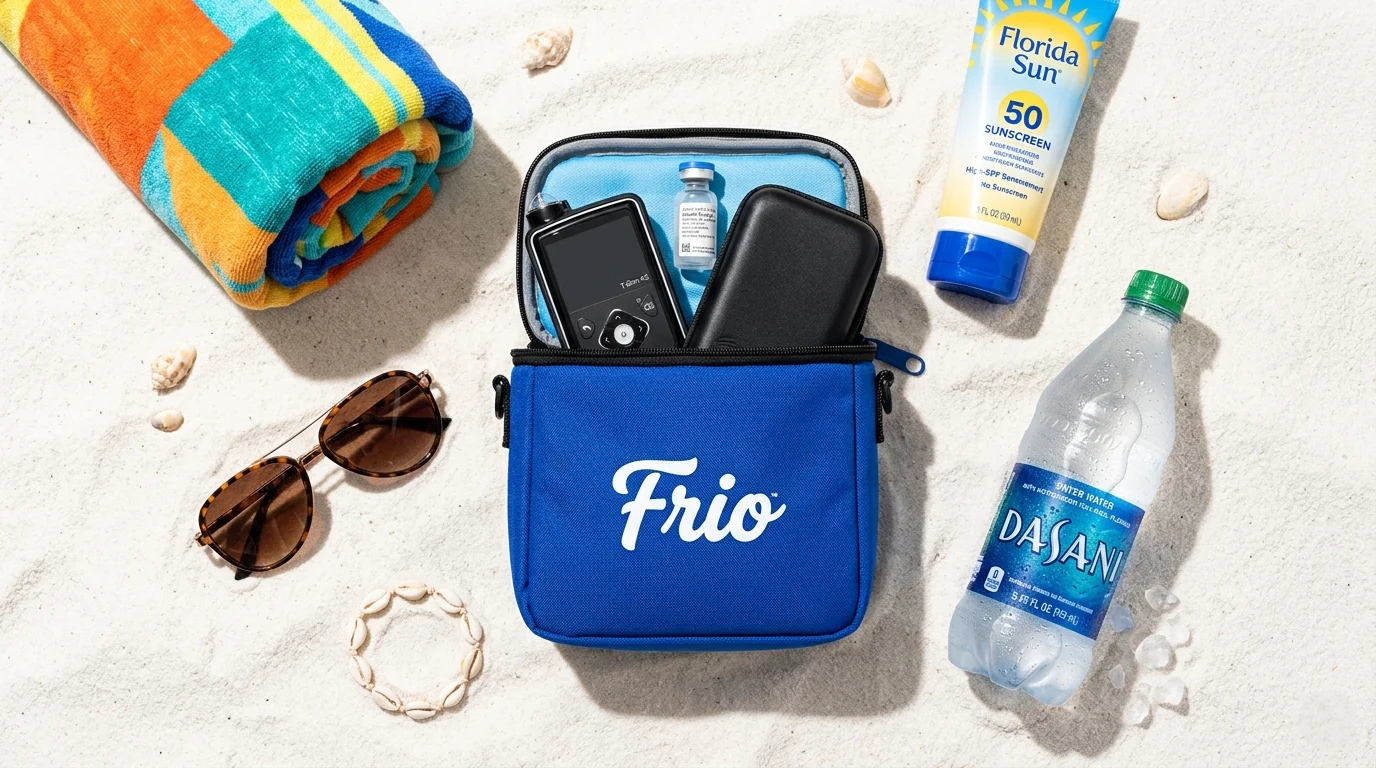
Living on the Treasure Coast offers a beautiful lifestyle, but the intense Florida heat presents unique challenges for those managing diabetes with an insulin pump. As we move into the high heat months of 2026, ensuring your technology and your body are “summer ready” is a clinical necessity for residents in Port St. Lucie and St. Lucie West.
At Treasure Coast Endocrinology, our expert team understands that extreme temperatures aren’t just uncomfortable they can physically alter your medication and your metabolic response.
The Science of Heat and Insulin
Insulin is a delicate protein that is highly sensitive to temperature. For insulin pump users, the “delivery system” is external, meaning your life saving medication is often separated from the sweltering Florida sun by only a thin layer of plastic.

1. Insulin Denaturation
When insulin is exposed to temperatures above 86°F for prolonged periods, it can begin to break down, or “denature”. This means that even if your pump is delivering the correct units, the insulin itself may lose its potency. You might find yourself correcting high blood sugar readings that simply won’t come down because the insulin in your reservoir has been “cooked” by the humidity of a afternoon at the St. Lucie Riverwalk.
2. Increased Absorption Rates
Heat causes your blood vessels to dilate (vasodilation). When your skin is hot, the insulin delivered by your pump can be absorbed much faster than usual. This creates a “double edged sword”: you risk sudden hypoglycemia (low blood sugar) while outdoors, followed by hyperglycemia (high blood sugar) if your insulin has lost its effectiveness.
5 Essential Tips for Your Florida Summer
To help our patients navigate the “perfect storm” of heat and humidity, we recommend the following technical and lifestyle adjustments.
1. Protective Cooling Accessories
Invest in high quality, evaporative cooling pouches designed specifically for insulin pumps. These pouches use water activated crystals to keep the pump and its reservoir at a safe temperature without the risk of freezing the insulin.

2. Strategic Site Selection
During the summer, consider infusion site locations that are naturally more shaded or covered by clothing. Avoid placing your pump in direct sunlight while at the beach or pool. If you are wearing a swimsuit, ensure the pump is tucked into a pocket or a specialized clip that provides an extra layer of insulation.
3. Increased Frequency of Reservoir Changes
While you may typically change your reservoir every three days, the Florida heat may require you to change it every two days during outdoor heavy weeks. Keeping “fresh” insulin in the pump reduces the window of time it has to degrade in the heat.
4. Hydration and Electrolyte Balance
Dehydration is a primary trigger for blood sugar volatility. When you are dehydrated, your blood glucose becomes more concentrated, leading to higher readings. Ensure you are drinking water consistently, especially if you are enjoying local landmarks like Tradition Square.
5. Utilize Your CGM Data Sync
As part of our First 30 Days Care Plan, we emphasize the importance of your Continuous Glucose Monitor (CGM) sync. During the summer, set your “High” and “Low” alerts to be more sensitive. This allows you to catch heat induced fluctuations before they become a medical emergency.
The “Safety is Sacred” Approach to Outdoor Activity
At Treasure Coast Endocrinology, we believe safety is sacred. If you are planning an active day outdoors, follow our “Safety First” checklist:
- Pre Activity Check: Test your pump’s battery and ensure you have a backup “emergency kit” that includes manual insulin pens and syringes kept in a cool environment.
- The 30 Minute Rule: If you feel your pump has been in direct sun for more than 30 minutes, check your blood sugar immediately.
Post Sun Review: Use your mobile app to review your trend lines after returning to the air conditioning. If you see a “spike” that doesn’t align with your meals, your insulin may have lost potency.

Conclusion: Reclaiming Your Summer
Managing diabetes in Florida doesn’t mean staying indoors until October. By being “summer ready” and understanding the technical needs of your insulin pump, you can enjoy everything the Treasure Coast has to offer with confidence.
If you are experiencing unexplained blood sugar swings during these hot months, it may be time for a professional audit of your pump settings and heat management strategy.
Ready to optimize your care? Contact our Port St. Lucie office today to schedule your performance review and let our expert team help you stay cool, safe, and stable all summer long.
- Location: 1400 Goldtree Dr STE 103, Port St. Lucie, FL 34952
- Call today at 772-398-7814 to schedule your consultation with Dr. Ahmet Ergin.
- https://www.youtube.com/@TheHormoneClinic
- https://g.page/r/CbzXHxId_SrLEBM/review